


More items from this sellerView All
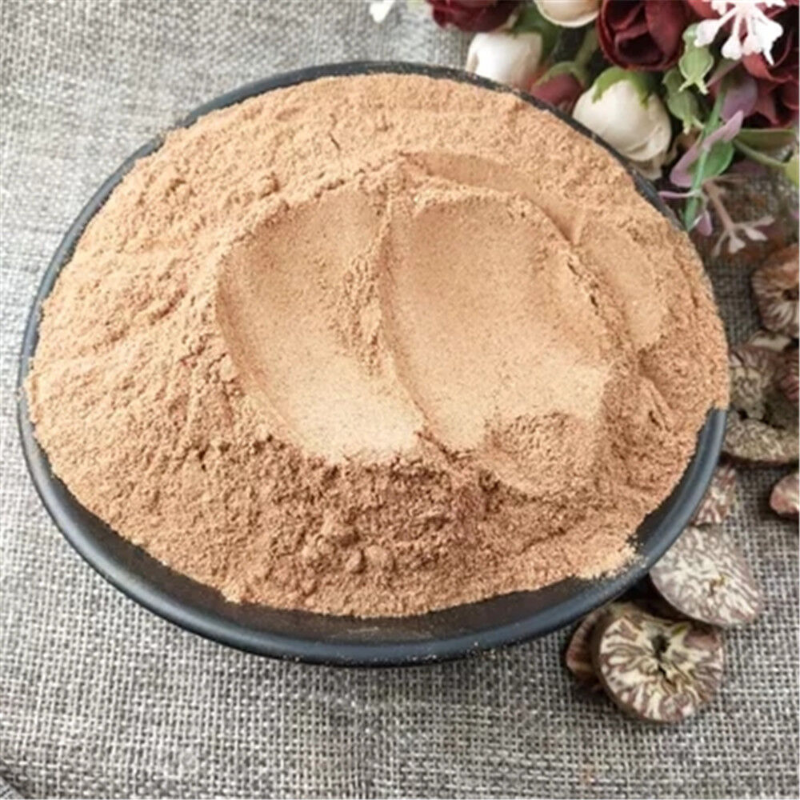
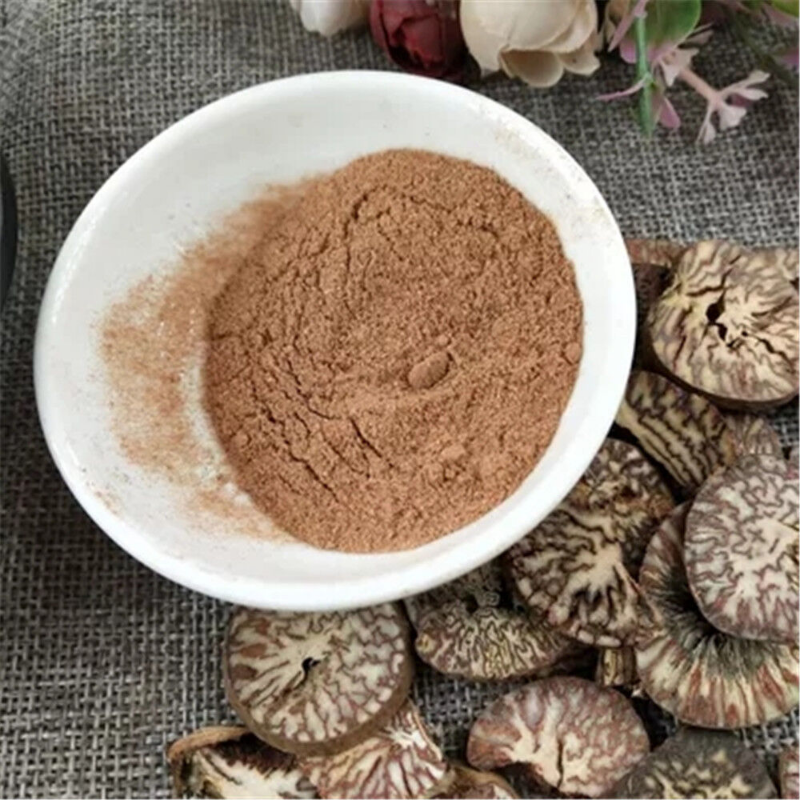
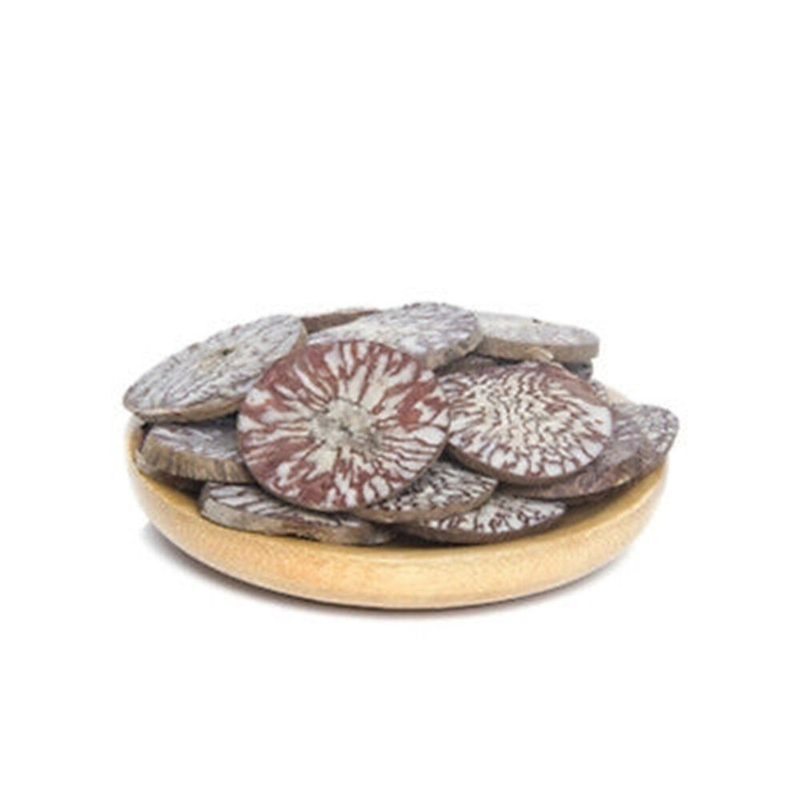
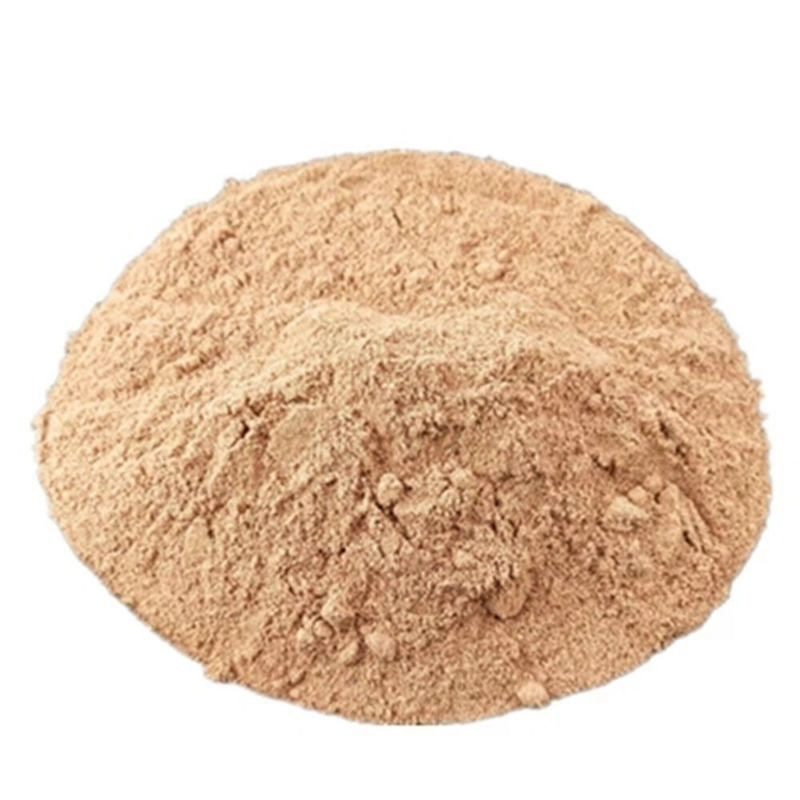
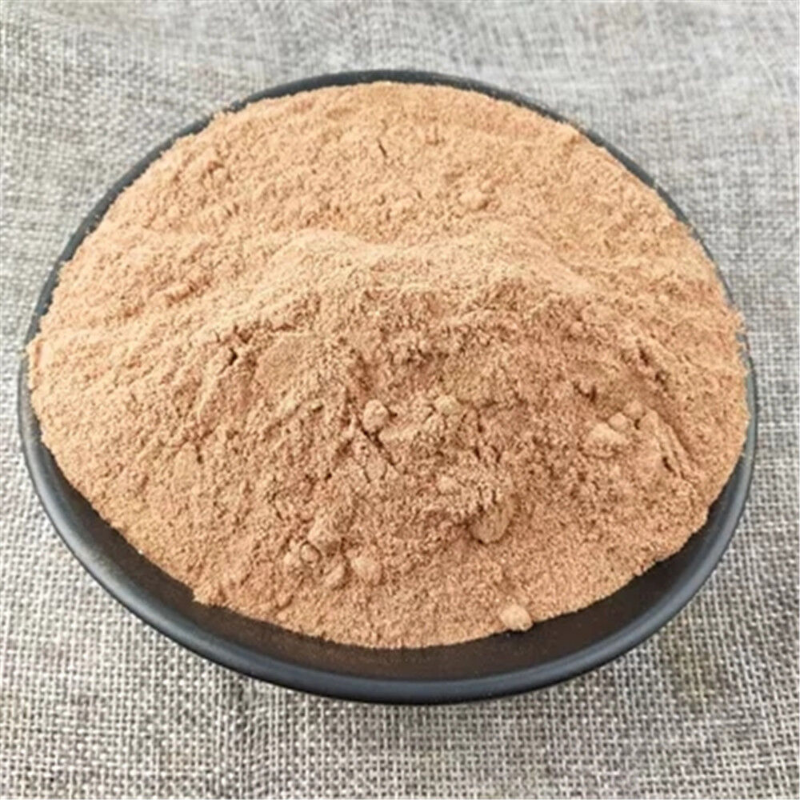
500g Betel nut Powder Binlang Powder Chinese herb 100% Pure
$68.15
Introduction: Herbal Action : Betel nut, also known as Bettlenut, Paaku,Pinang, Areca nut or Cau The most common use of these nuts (seeds) is in the ritual chewing of the "betel-quid." This hab
Why Shop With Us
Secure Checkout
Your order is processed through a secure checkout flow.
Carefully Packed
Items are packed with care before shipment.
Fast Dispatch
Orders are prepared and dispatched as quickly as possible.
Support Available
We’re here to help if you need assistance with your order.
描述
Introduction:
Herbal Action:
Betel nut, also known as Bettlenut, Paaku,Pinang, Areca nut or Cau
The most common use of these nuts (seeds) is in the ritual chewing of the “betel-quid.” This habit is very widespread throughoutAsia, India and the Pacific, making it one of the most popular stimulants in the world. Generally the the betel-quid is a small morsel consisting of a quarter betel seed (crushed), a pinch of lime, spices like cardamom or nutmeg for flavour all wrapped in a betel leaf (Piper betle). On some Pacific Islands it is traditional for the men to also add tobacco into the package. This quid is chewed slowly over several hours, causing a feeling of well-being.
Description:
- Regulates Qi and Spreads Liver Qi
Used for all symptoms associated with Liver Qi Stagnation including pain in the hypochondrium, epigastric region, and abdomen along with fullness. Used for emotional disturbance, poor appetite, chest congestion and frequent sighing
- Regulates Menses and Relieves Pain
Treats gynecological disorders including dysmenorrheal and irregular menses. Also used for breast distension.
- Cyperi rhizoma, the rhizome of Cyperus rotundus L. (Family Cyperaceae), is a well-known functional food and traditional herbal Korea. It has been reported that Cyperi rhizoma has antioxidant and free radical scavenging activities that play a major role in protection of neurodegenerative disorders, such as Parkinson’s disease (PD). In the present study, the neuroprotective effects of a water extract of Cyperi rhizoma (CRE) against 6-hydroxydopamine (6-OHDA)-induced neuronal damage were evaluated in an experimental model of PD. In PC12 cells, CRE showed a significant protective effect on cell viability at 50 and 100 microg/mL. CRE inhibited generation of reactive oxygen species and nitric oxide, reduction of mitochondrial membrane potential, and caspase-3 activity, which were induced by 6-OHDA. CRE also showed a significant protective effect against damage to dopaminergic neurons in primary mesencephalic culture. These results suggest that CRE has neuroprotective effects against 6-OHDA-induced toxicity through antioxidant and anti-apoptotic activities in an in vitro PD model.
Used for all symptoms associated with Liver Qi Stagnation including pain in the hypochondrium, epigastric region, and abdomen along with fullness. Used for emotional disturbance, poor appetite, chest congestion and frequent sighing
Treats gynecological disorders including dysmenorrheal and irregular menses. Also used for breast distension.
0.0 Average Rating Rated (0 Reviews)