

More items from this sellerView All
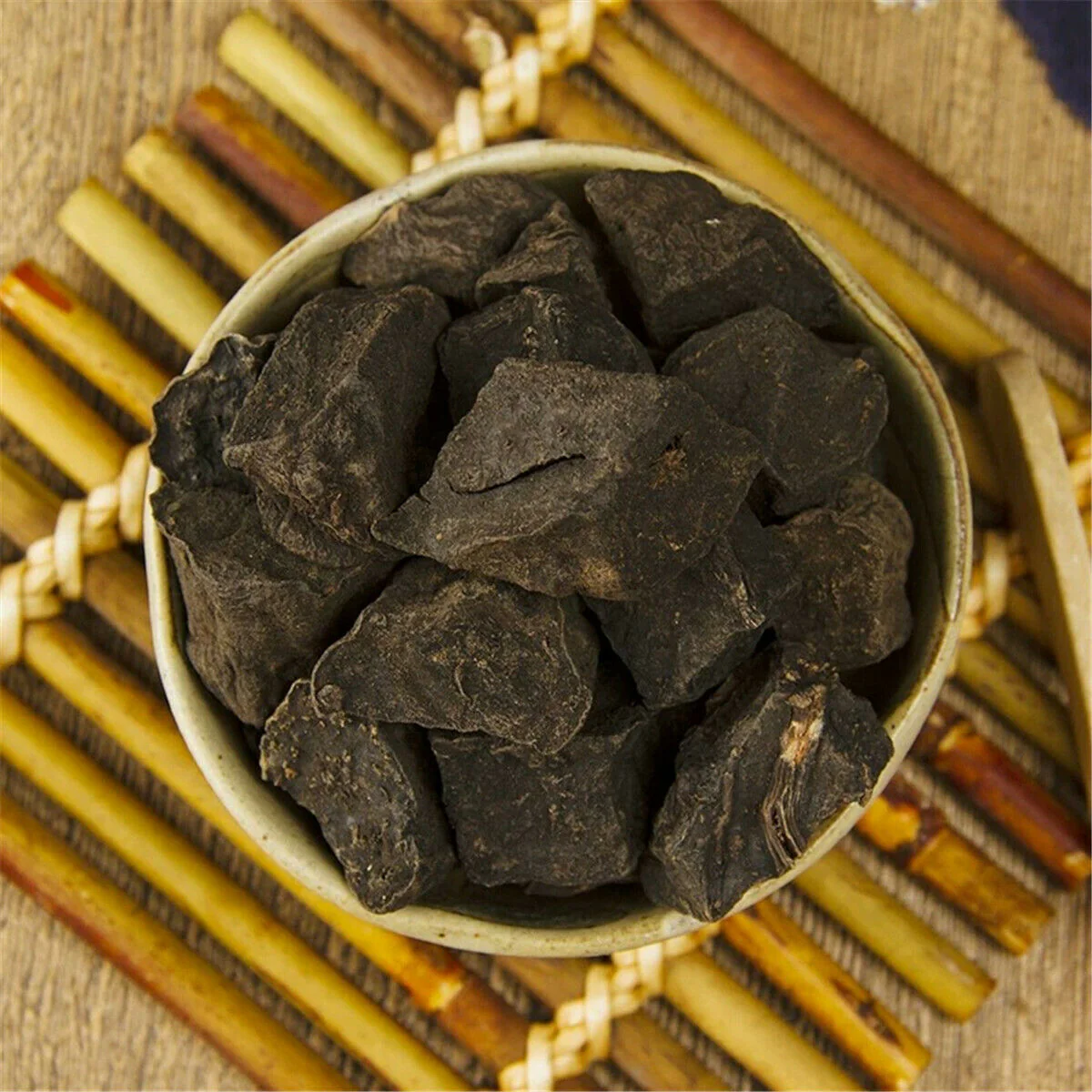
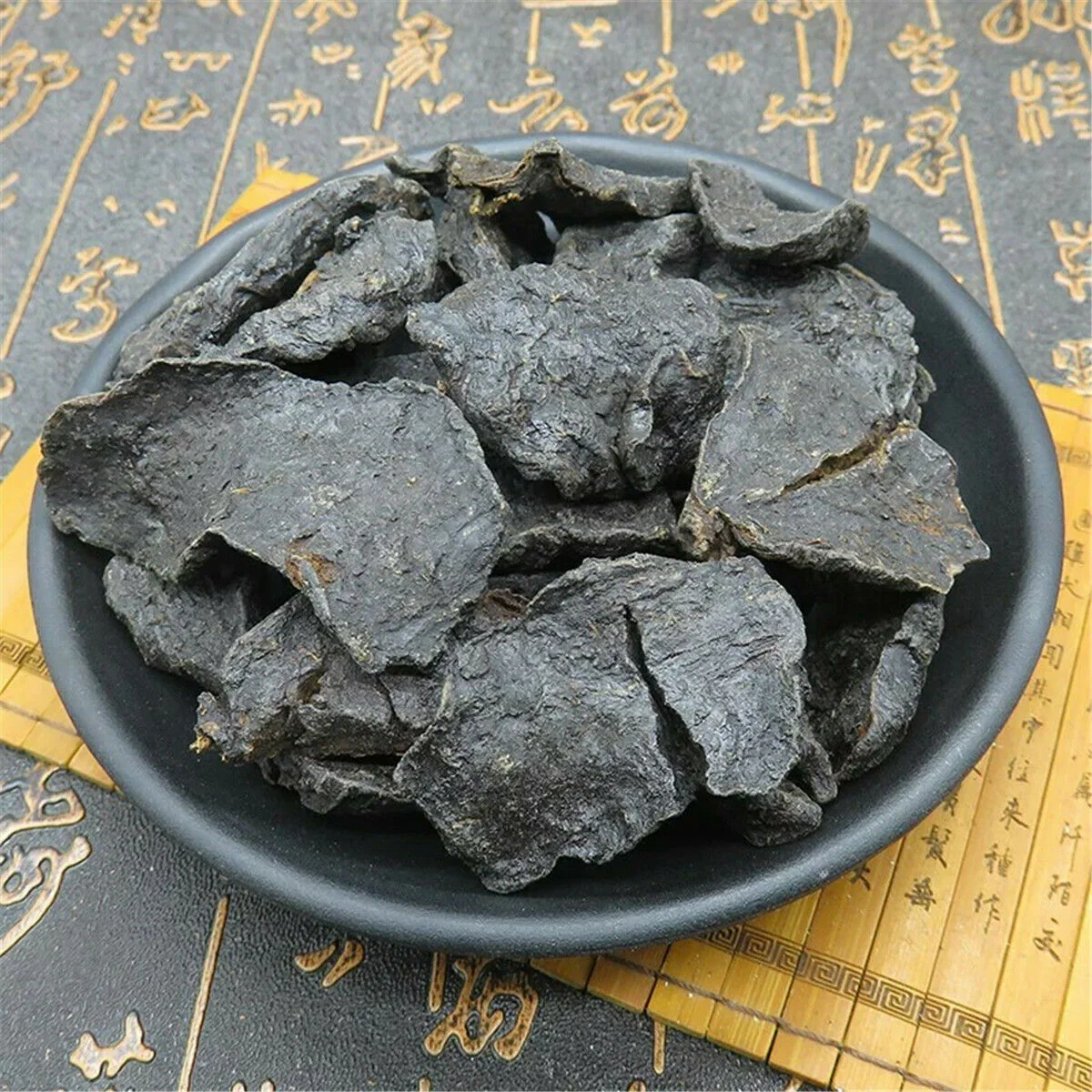
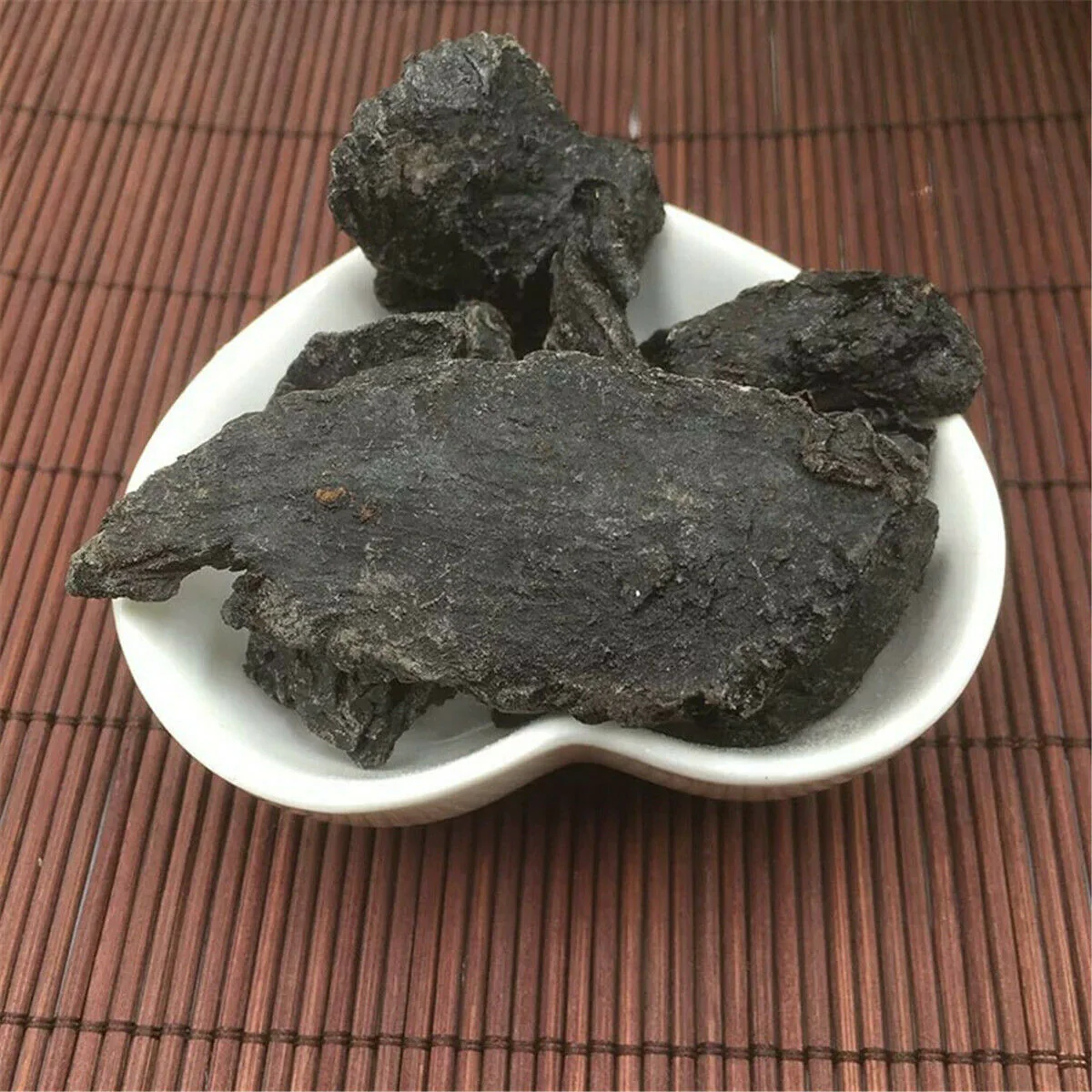
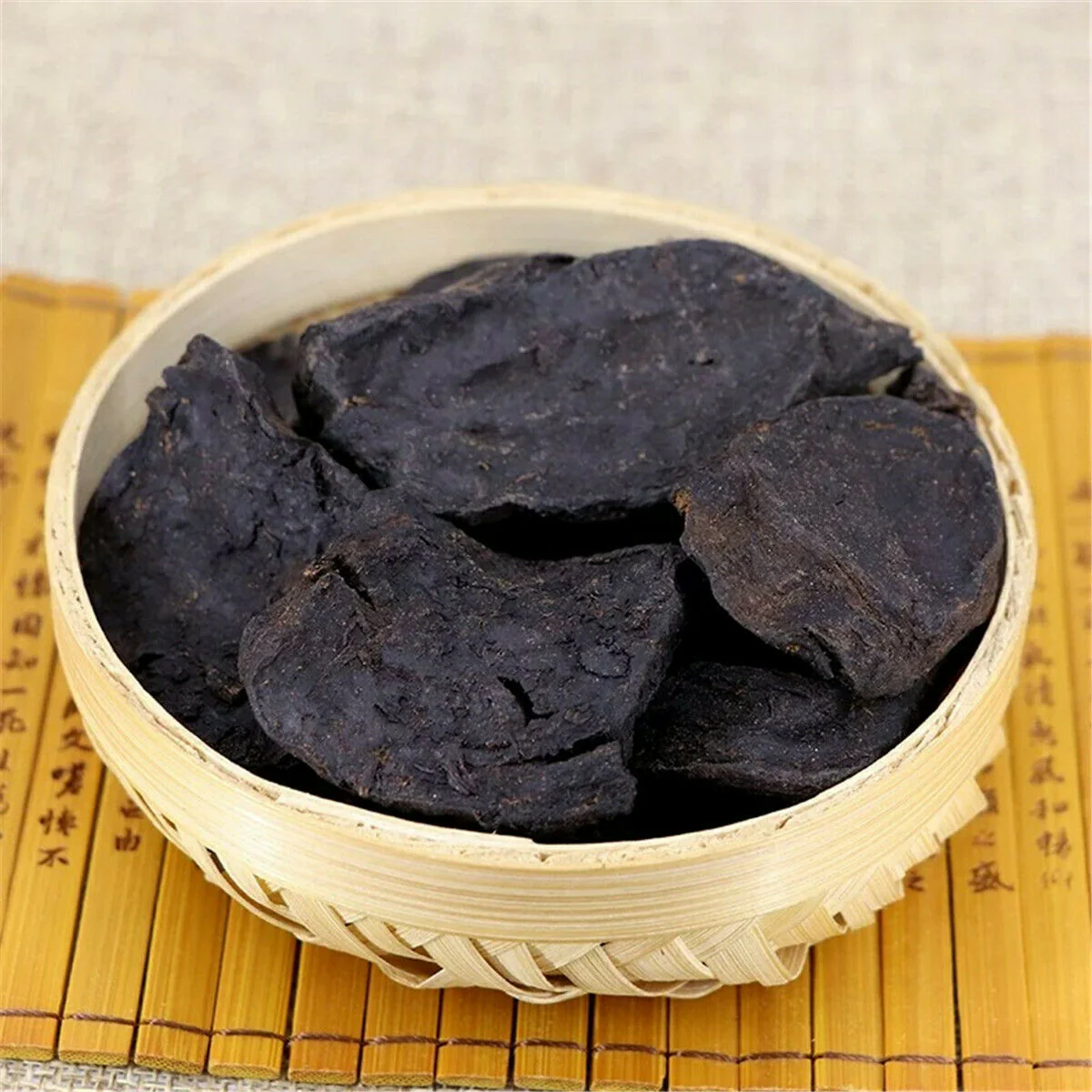
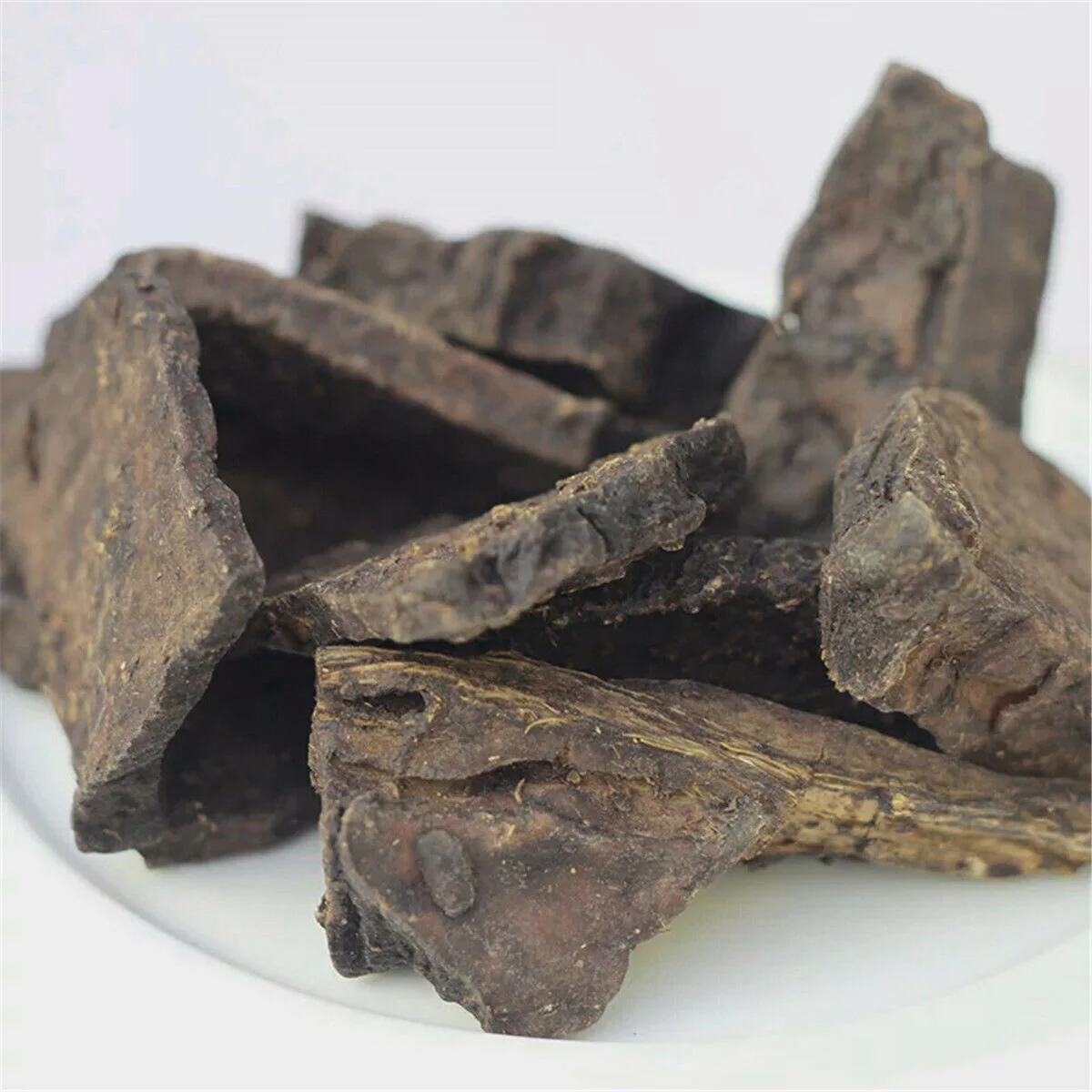
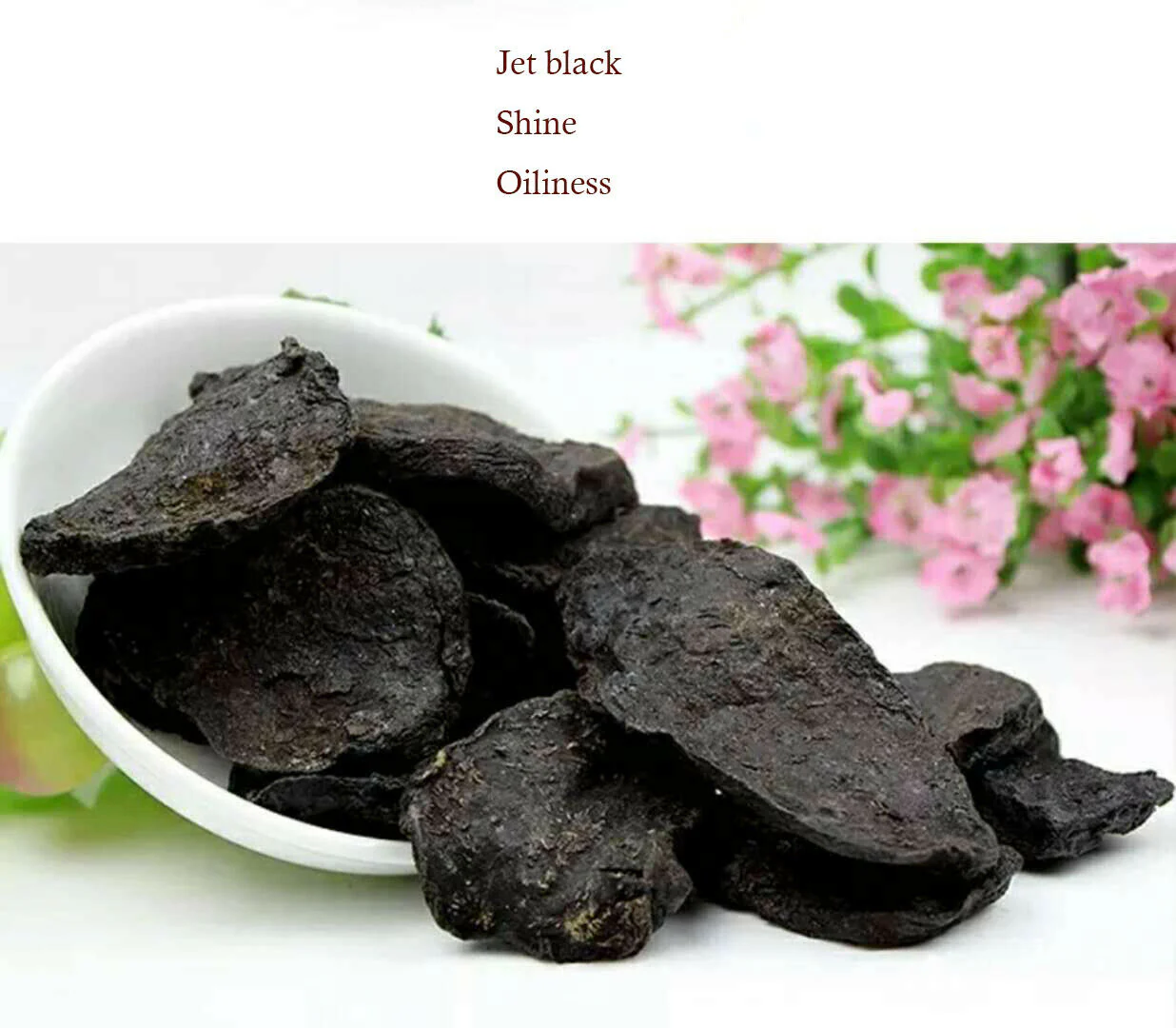
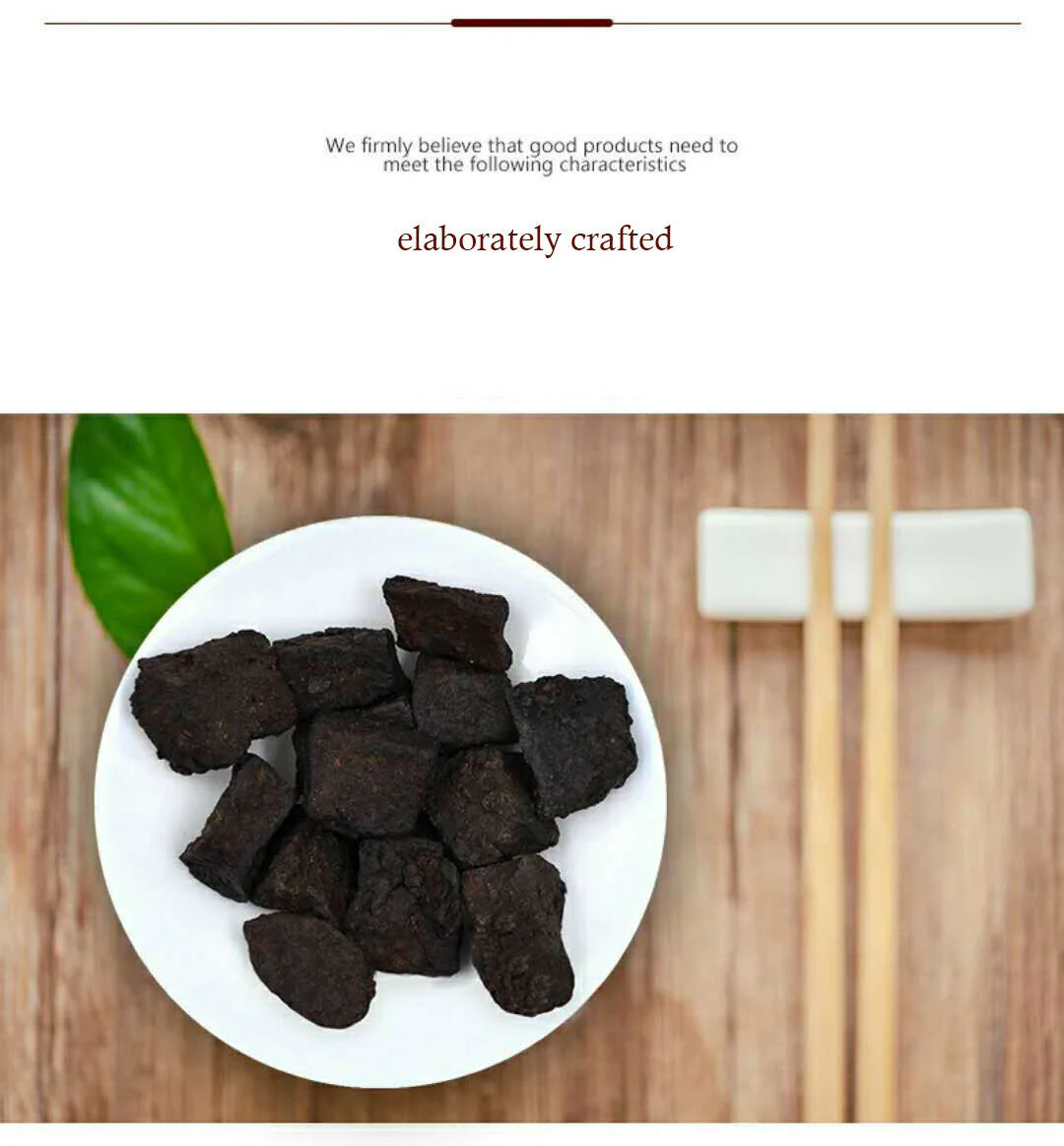
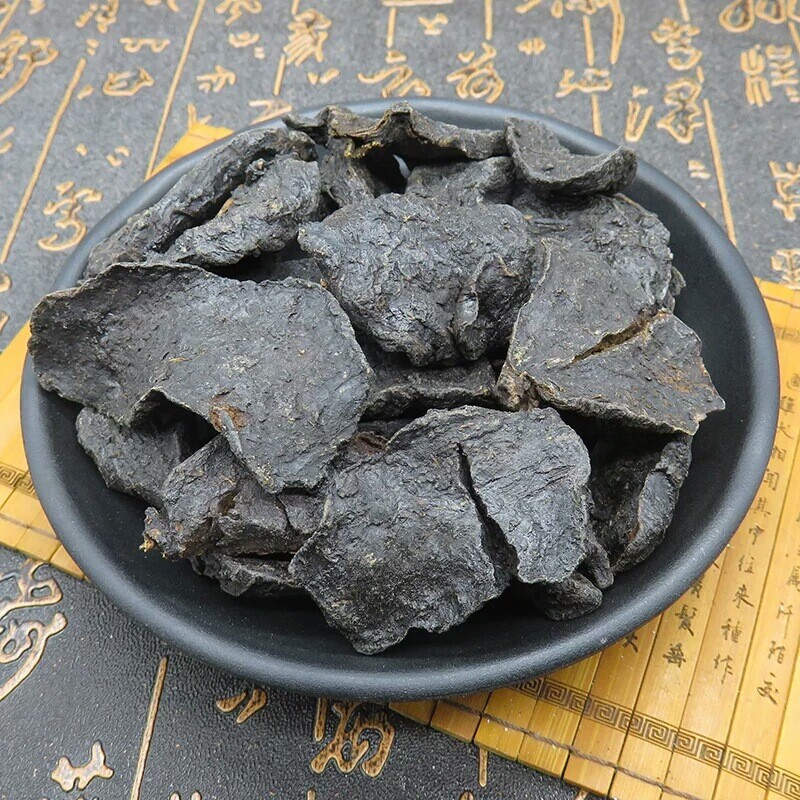
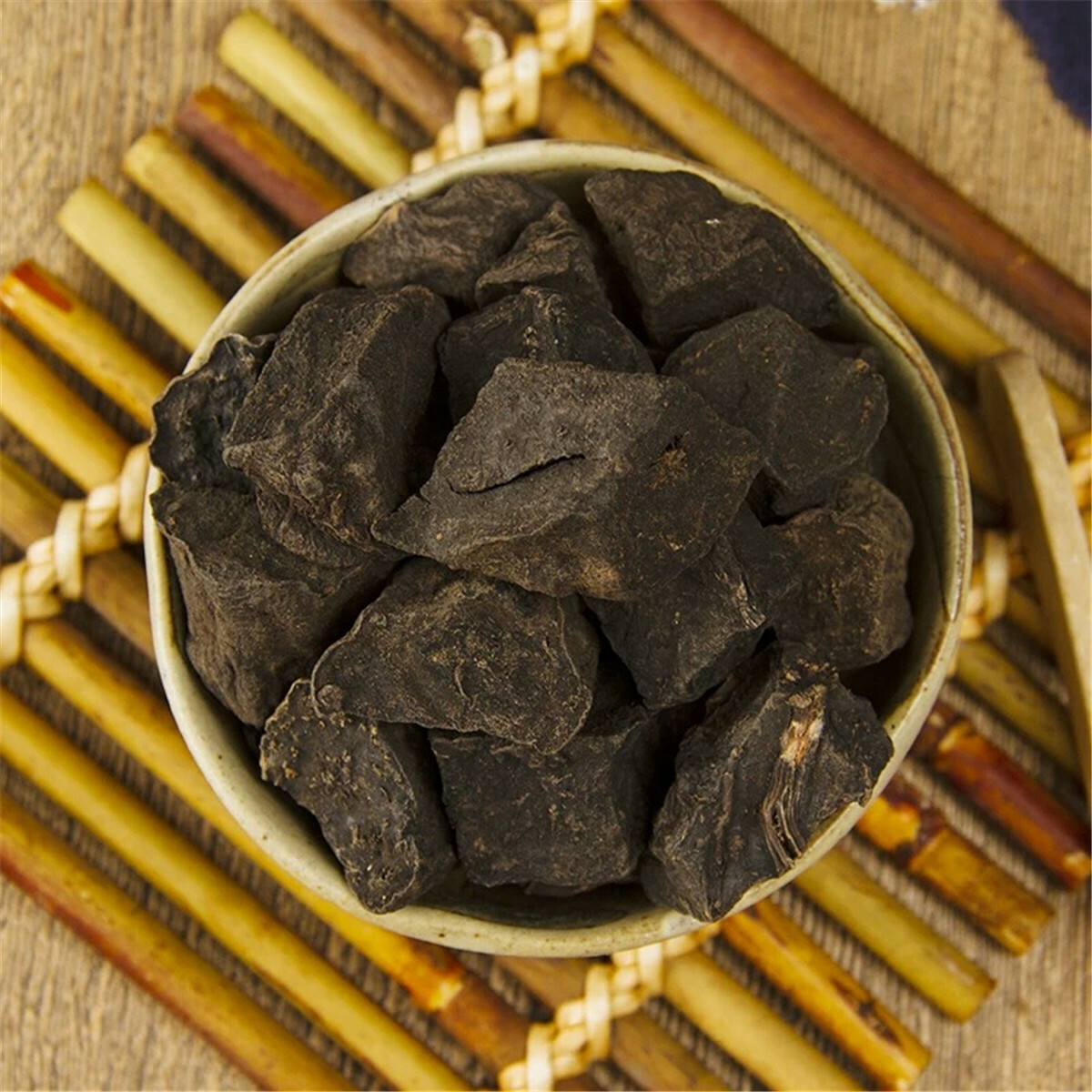
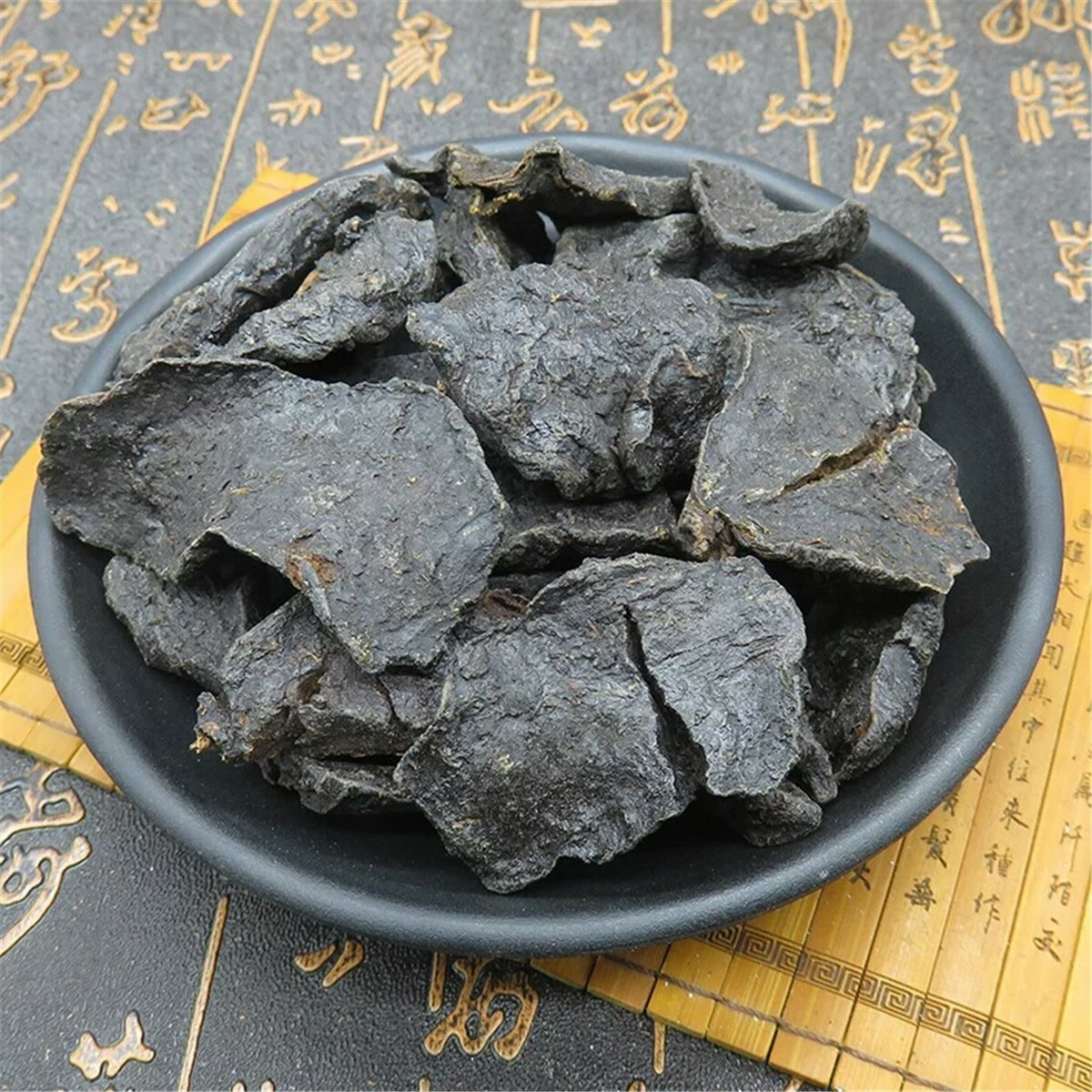
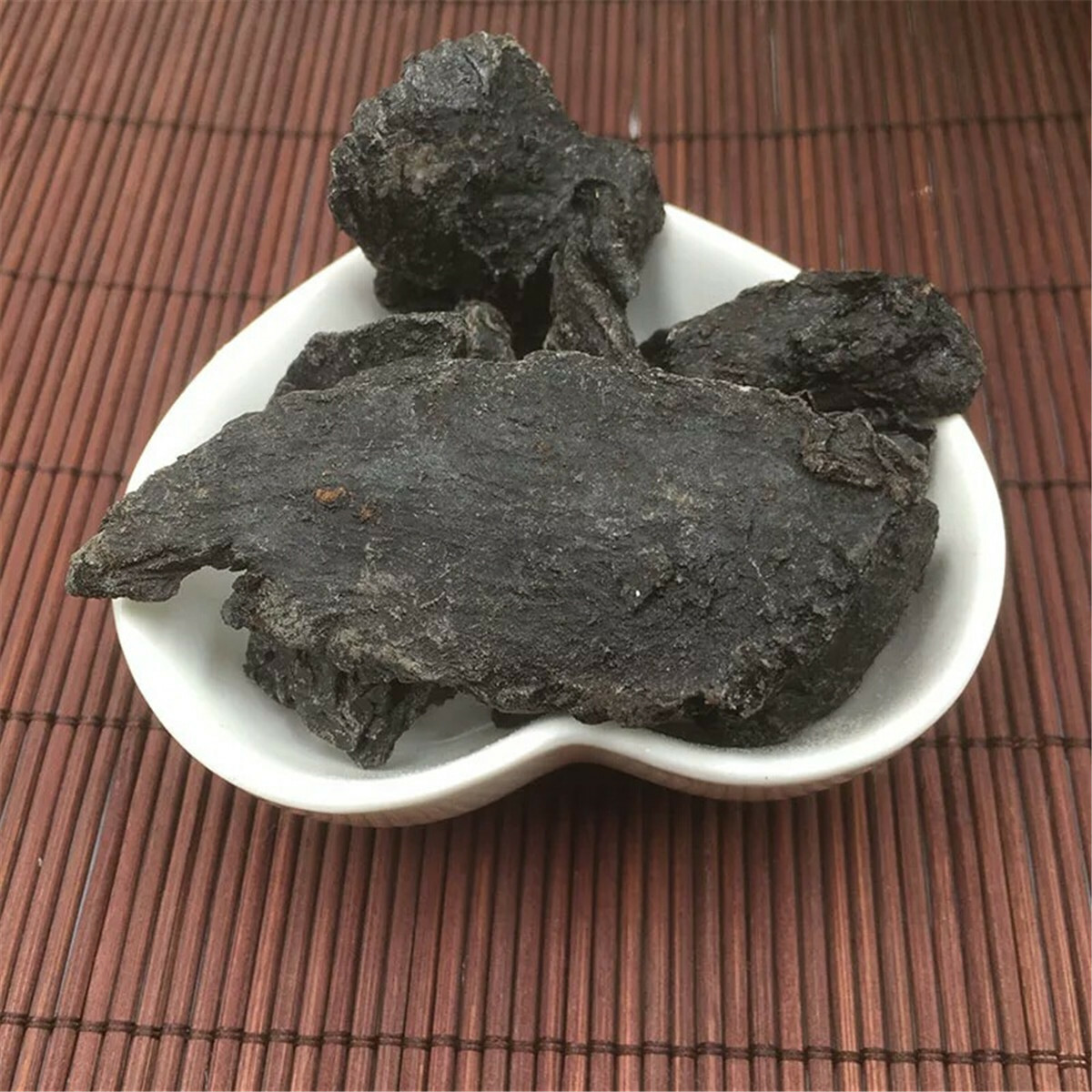
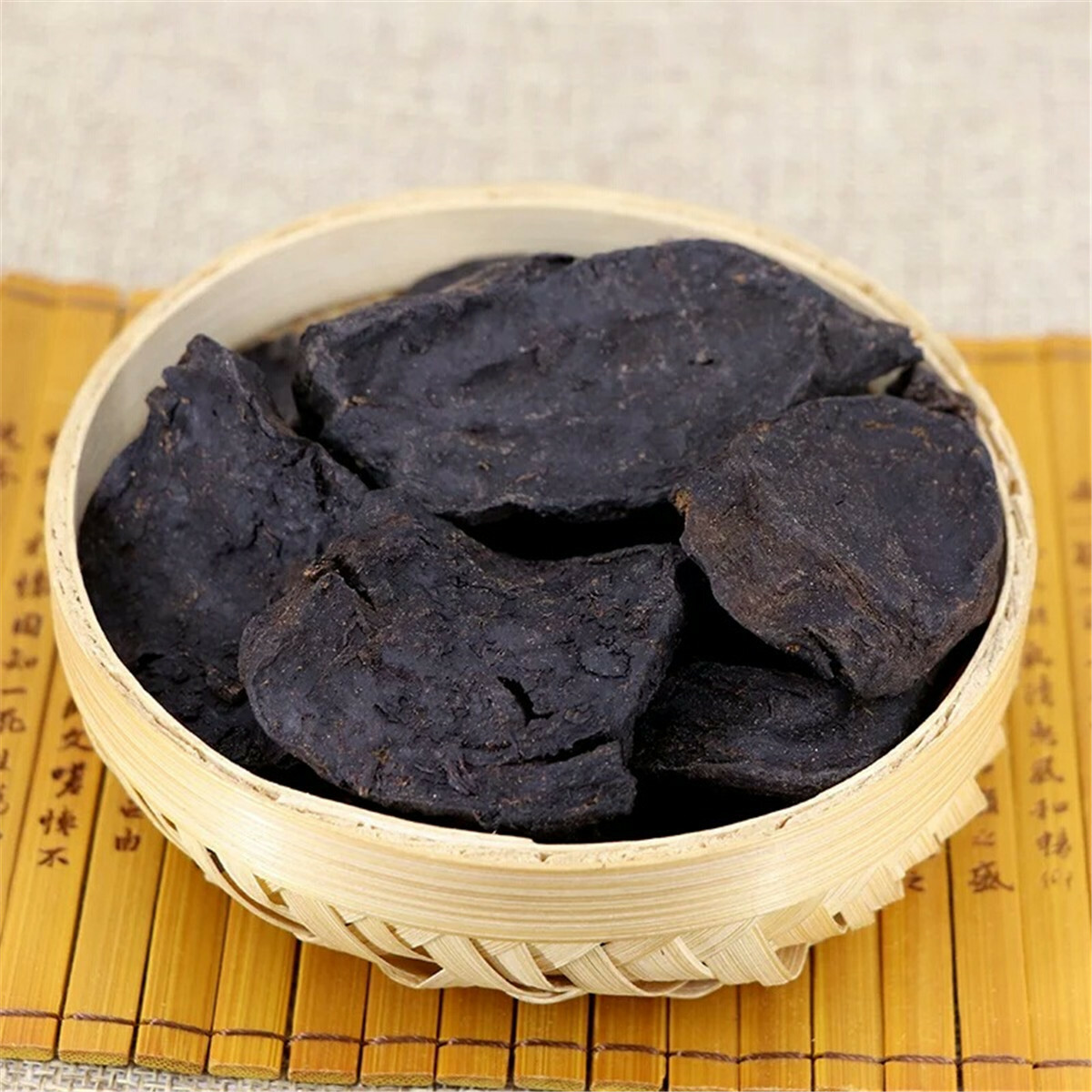
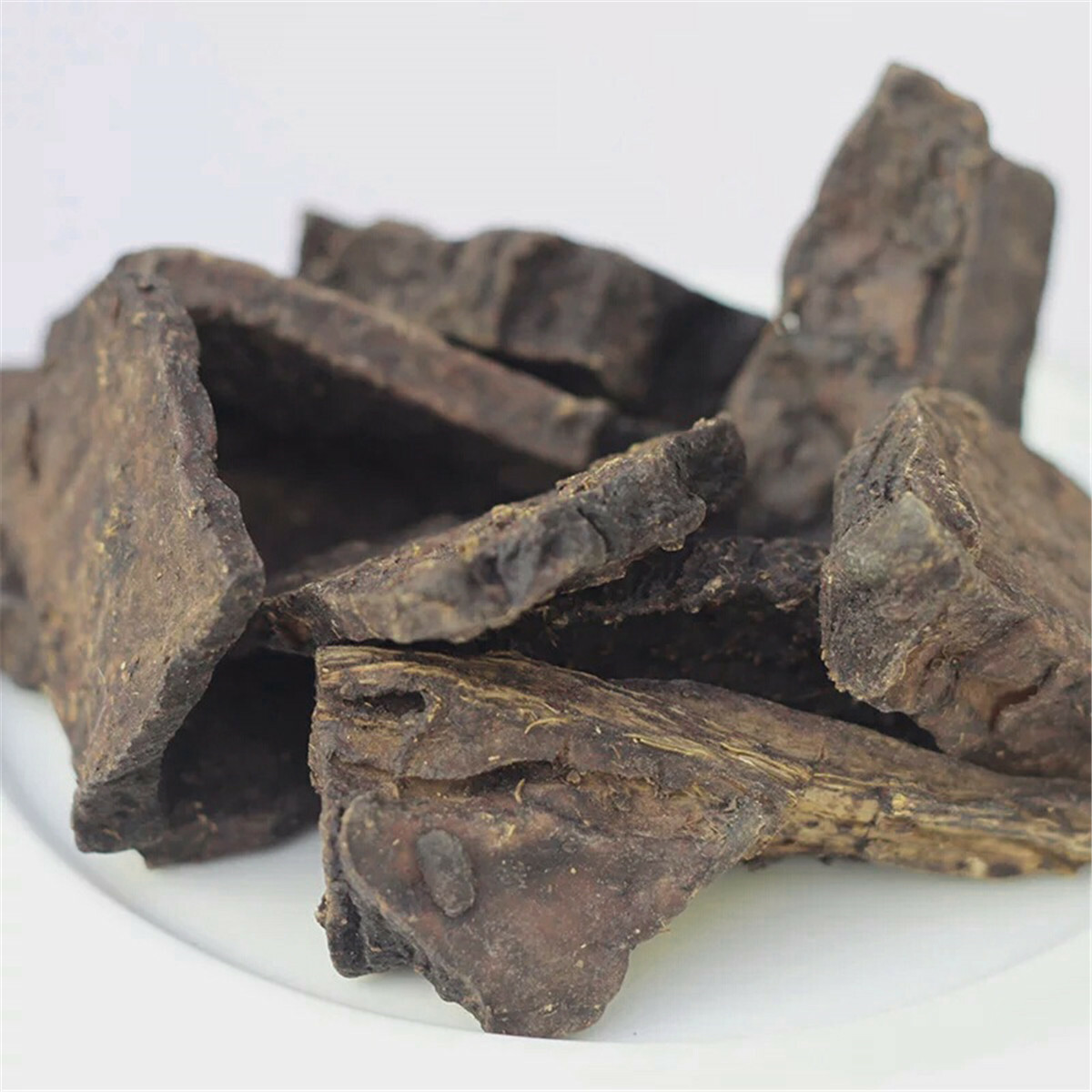
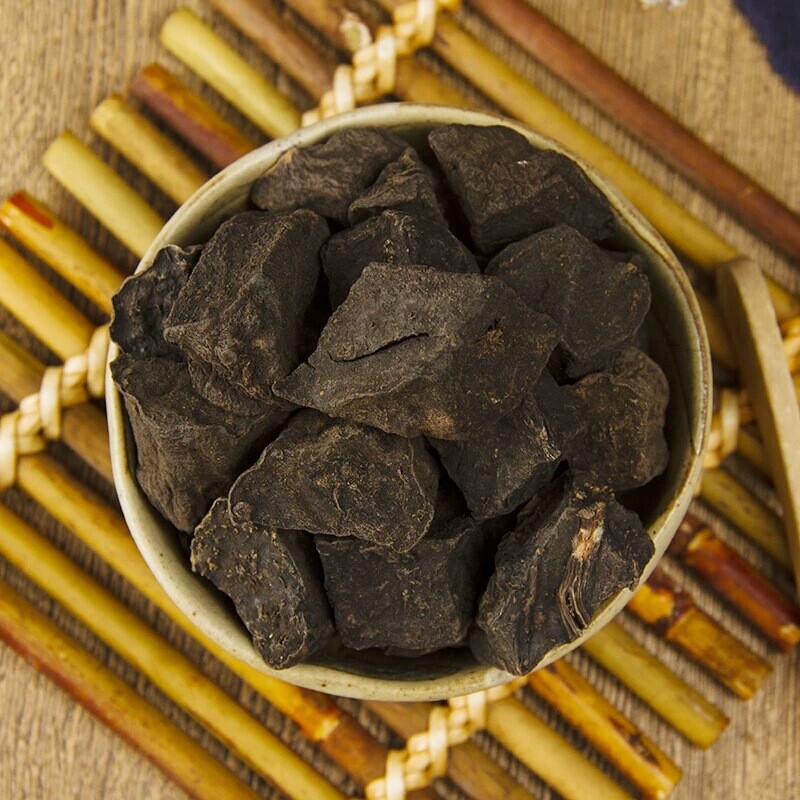
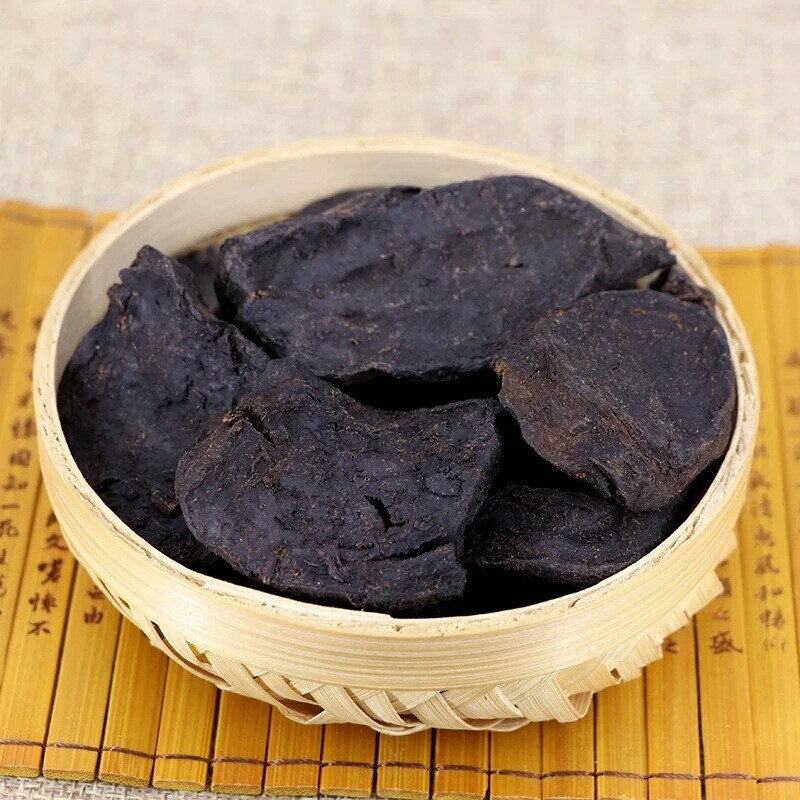
Chinese Herbal Tea He Shou Wu Polygonum Multiflorum Root Herbs Dried Black Beans
$3.98
img{max-width:100%} Origin: China Type: Herbal Packaging: Bag Rating: Description: Out of about 10,000 Chinese medicinal plants only about 60 belong to the class of Superior Tonic Herbs. Out of these
Why Shop With Us
Secure Checkout
Your order is processed through a secure checkout flow.
Carefully Packed
Items are packed with care before shipment.
Fast Dispatch
Orders are prepared and dispatched as quickly as possible.
Support Available
We’re here to help if you need assistance with your order.
描述
|
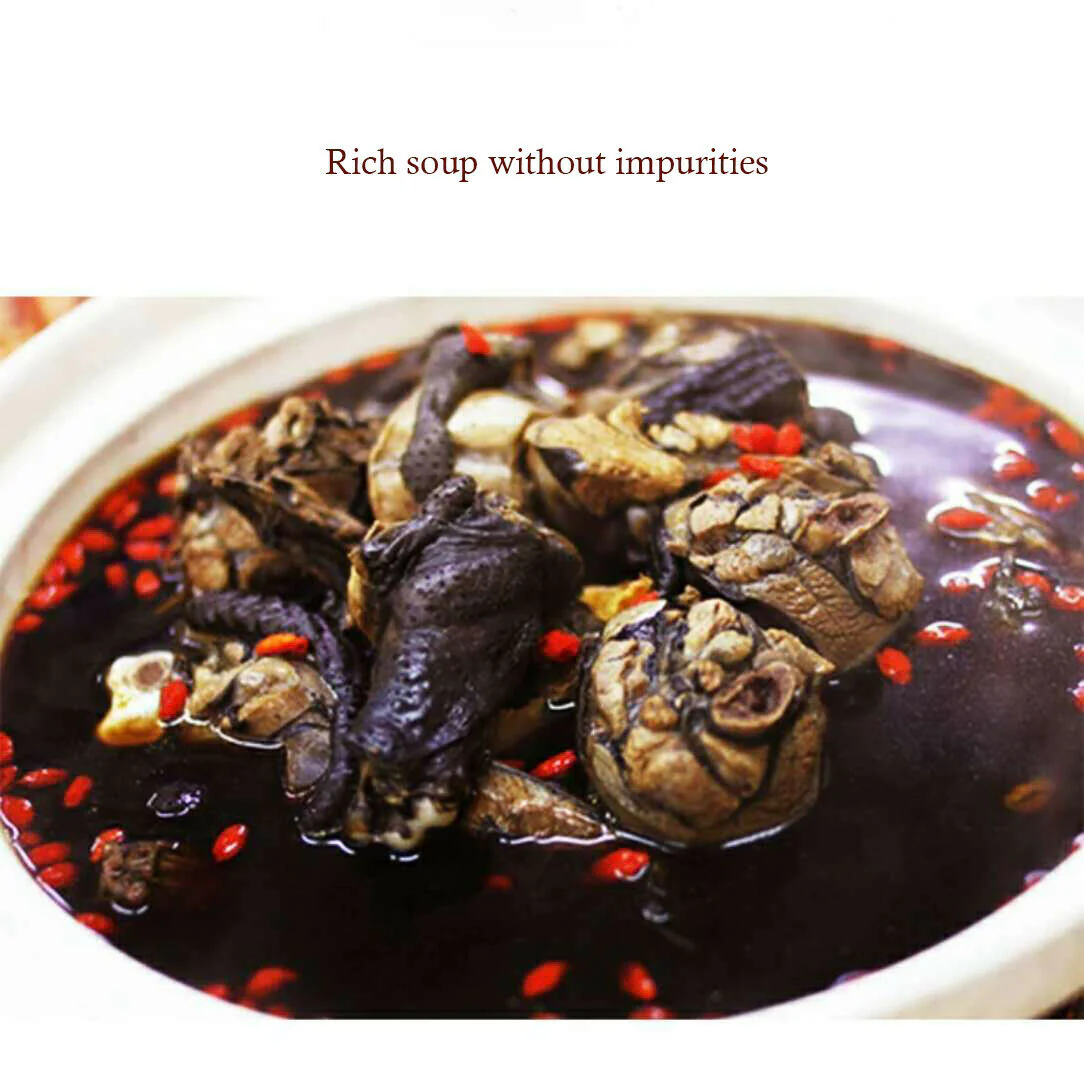
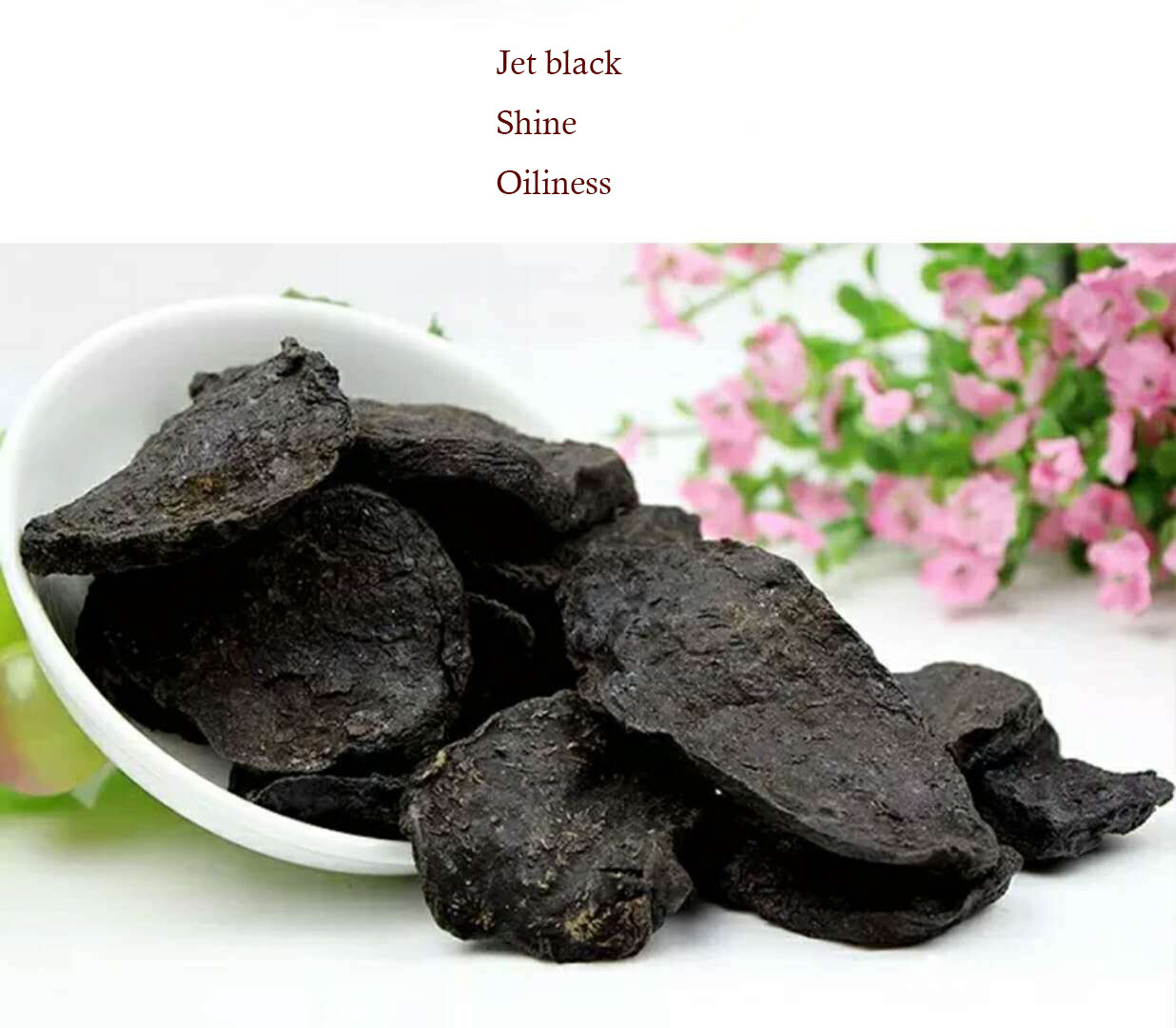
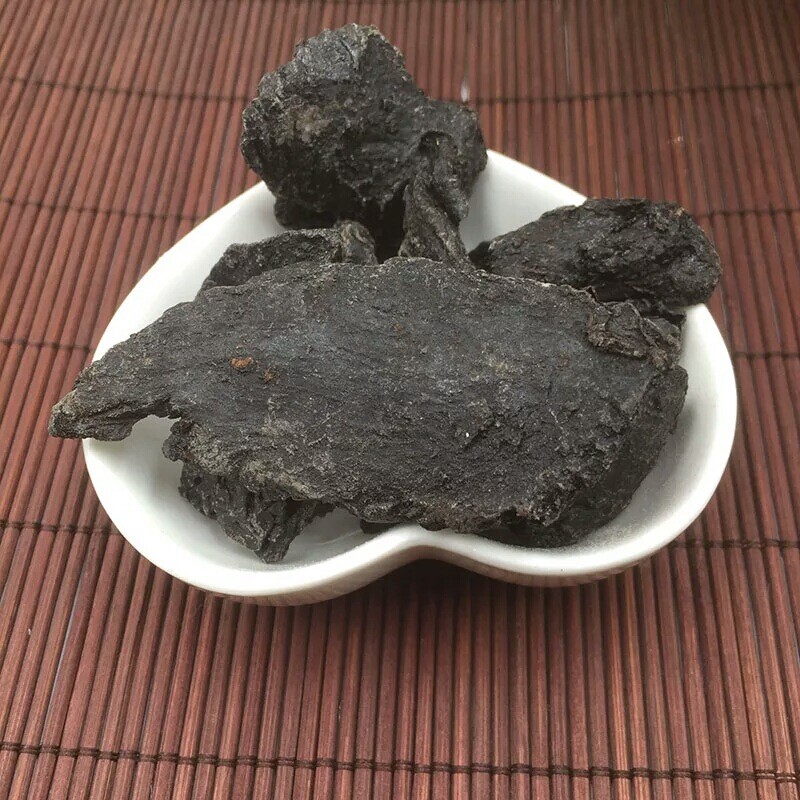
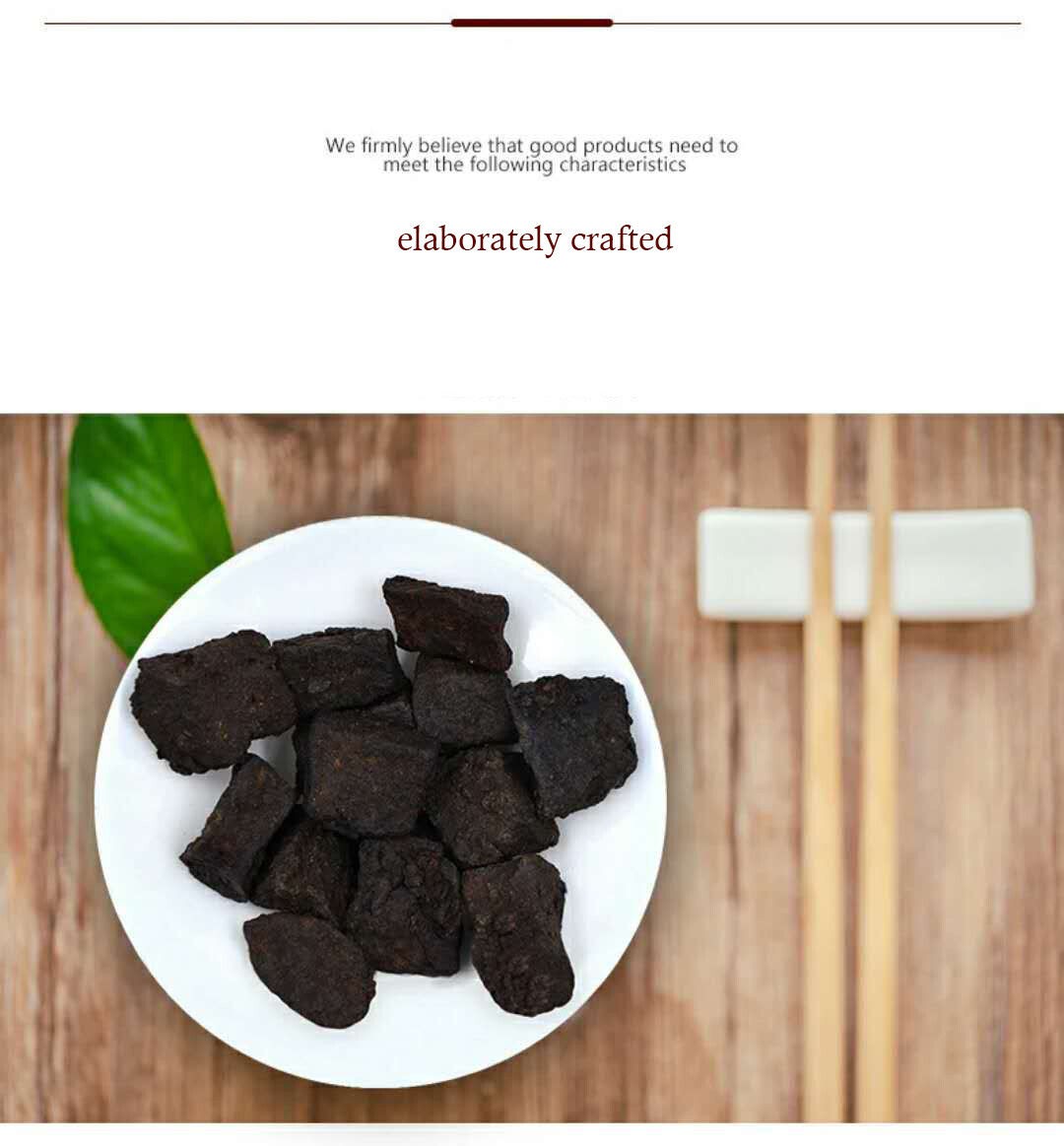
Origin: China Science takes He Shou Wu very seriously: Pharmacological studies have shown that prepared He Shou Wu root extract can prolong the life cycle of somatic cells. Laboratory studies have shown that He Shou Wu can promote strong development and prolonged growing cycle in mammalian cells compared to cells in the control group, which demonstrated aging and degeneration. He Shou Wu’s effect on protecting the liver: In experiments on mice, prepared He Shou Wu reduces buildup of hepatic (liver) fat. He Shou Wu also lessens the enlargement of the liver caused by carbon tetrachloride poisoning. He Shou Wu can significantly counter the liver damage in rats caused by peroxidized (spoiled) corn oil. The damage includes fatty liver, liver function damage and elevated levels of peroxidized lipids in the liver. At a fundamental level in the liver’s cells, in vitro studies have demonstrated He Shou Wu`s ability to inhibit the lipid peroxidation of rat liver microsomes induced by ADP and NADPH. These studies show that He Shou Wu’s liver protection mechanism relies largely in its ability to inhibit lipid peroxidation (LPO) and its damage to the liver cells. Whether you plan on living to 200 years or you just want to preserve your vital essence and Qi to have the energy of a young person for the rest of your life, He Shou Wu should be tried by anyone. At least for the first 100 years of your life! During the Tang Dynasty, Lin Daoren wrote the book The Secret Recipes of the Immortals for Treating Wounds and Fractures (Xian Shou Li Shang Xu Duan Mi Fang, 846 A.D.). In that book, he described the processing of He Shou Wu to enhance its tonic properties (processed He Shou wu is sometimes called zhi heshouwu to distinguish it from the unprocessed form, which may be designated sheng shouwu). The processing method is to stew or steam the He Shou wu in black soybean (heidou) juice for several hours (up to three days, depending on the devotion of the processor to this method) and then dry the roots. This is a technique that is still used today. The black soy bean juice is prepared by boiling black soybeans in water for about 4 hours; the liquid that is left after the cooking is poured off and the beans are cooked again with less water for 3 hours; the resulting extract is combined with the former extract to make the juice. About 10 kg of black beans are used to process 100 kg of ho-shou-wu roots. Black beans are traditionally attributed with the property of supplementing blood and essence, and prolonged cooking or steaming of the herb is associated with enhancing its enriching and warming nature. The alchemical version of this processing, which is similar to the recommended method for making processed rehmannia, is to repeat the stewing or steaming 9 times. Thus, after preparing with the black soybean (overnight) and drying, it is again prepared with black soybean on the next day, and so on, until nine cycles have been completed. This repetition of processing was questioned by Chen Shiduo in his book New Compilation of Herbs (Qing Dynasty), in which he felt that the repeated processing would destroy the quality of the herb. Today, the single processing is relied upon. Brewing Guide: For split personality: he shou wu 90g, ye jiao teng 90g, hong zao 2-6 pieces. Boil with water and use as tea. For premature white hair: zhi he shou wu, shu di huang 30g each, dang gui 15g . Soak in 1000cc of rice wine for 10-15 days. Use 15-30 c.c. per day. For nerve injuries: 30g of he shou wu. Boil in water. Take in the morning and at night for one month For malaria: he shou wu 12g, make into decoction. |
0.0 Average Rating Rated (0 Reviews)